


Context
Manufacturing and supply chain operations are the backbone of global business. From factory floors to logistics hubs, companies must deliver efficiency, reliability, and speed to remain competitive. Customers, suppliers, and partners expect real-time visibility, proactive updates, and accurate communication across every stage of production and distribution.


Challenges
The sector struggles with delays in communication, lack of transparency in logistics, and high costs from inefficiencies. Staff often spend time handling repetitive requests such as order status, shipment tracking, and production updates. Supply chains are complex, and even minor disruptions can have a cascading impact on productivity and customer satisfaction.

AI Solution
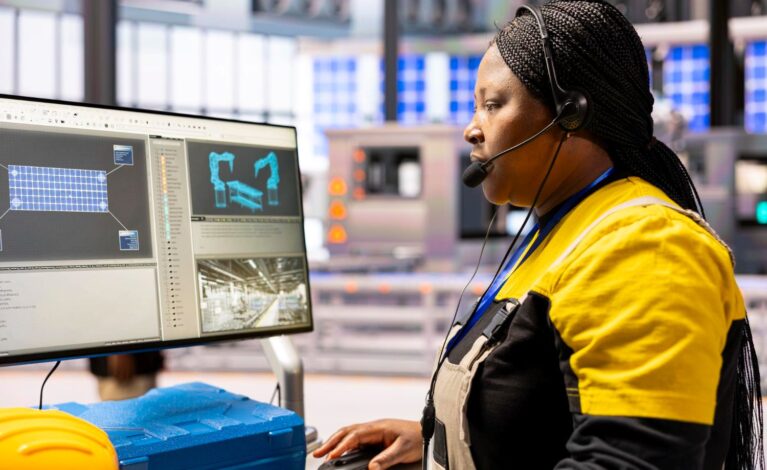
AI Virtual Agents act as intelligent communication hubs, providing real-time updates on orders, shipments, and production processes. They support procurement teams with supplier coordination, automate routine employee inquiries about schedules or safety protocols, and ensure stakeholders receive instant information. Integrated with ERP, WMS, and logistics systems, they make operations smarter and more connected.


Benefits
With Virtual Agents, manufacturing and logistics companies reduce response times, cut administrative costs, and enhance operational transparency. Employees gain more time for critical tasks, suppliers experience smoother coordination, and customers benefit from accurate, instant updates. This leads to improved efficiency, fewer errors, and stronger relationships across the supply chain.


FAQ
They automate communication about production schedules, machine status, and inventory levels, ensuring employees and managers receive instant updates.
Yes. They provide real-time shipment tracking, order status updates, and supplier coordination, reducing delays and improving visibility across the chain.
Absolutely. Virtual Agents connect with ERP, WMS, and logistics systems to pull real-time data, keeping information accurate and consistent.
They answer common HR, safety, or scheduling questions instantly, reducing downtime and giving staff more time to focus on core tasks.
Yes. They serve as 24/7 contact points for suppliers, distributors, and partners, ensuring smooth collaboration and faster problem resolution.
By automating repetitive inquiries and streamlining communication, companies cut administrative overhead and improve efficiency, which lowers costs.